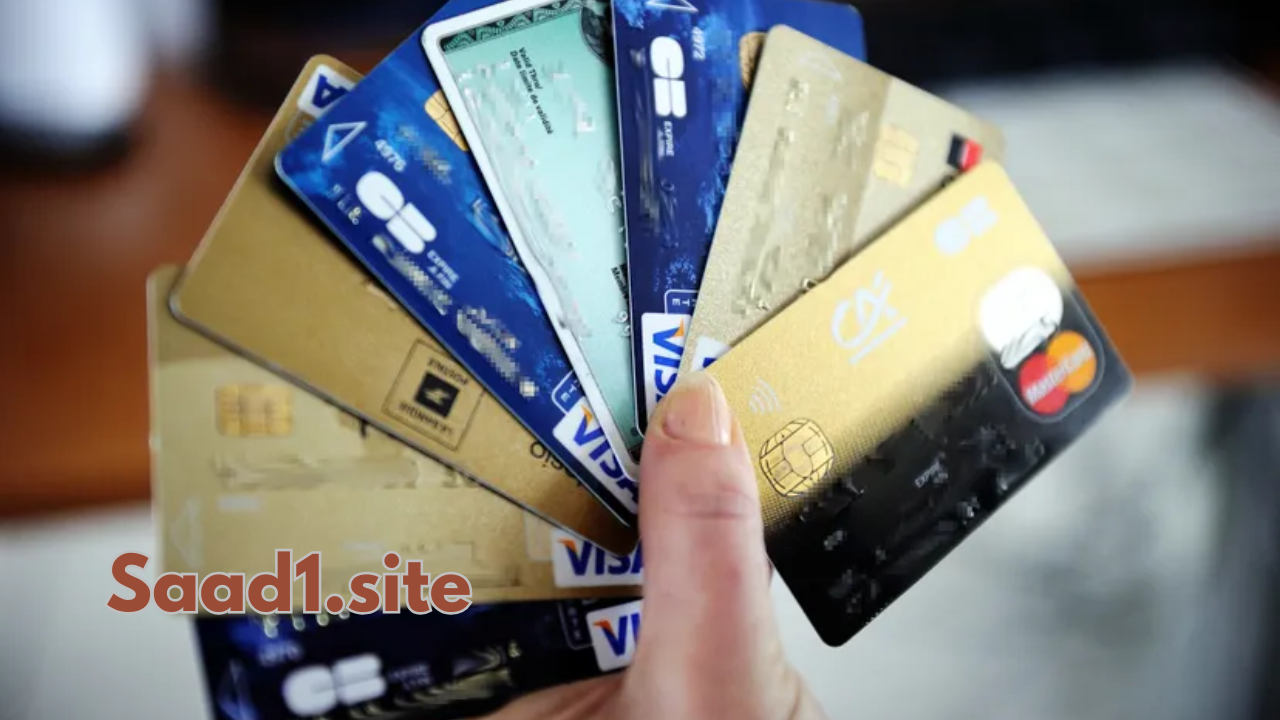
Credit cards can be valuable financial tools when used responsibly, but high interest rates can quickly turn manageable debt into a costly burden. That’s why many consumers look for the best low-interest credit cards for smart borrowers. These cards are designed to reduce borrowing costs by offering lower Annual Percentage Rates (APRs), introductory 0% APR promotions, and affordable repayment options.
Whether you’re planning a major purchase, transferring existing credit card debt, or simply want a card with lower financing costs, choosing a low-interest credit card can save you hundreds of dollars in interest charges over time.
In this guide, we’ll explore the benefits of low-interest credit cards, the features to look for, how to compare your options, and tips for using them wisely in 2026.
What Is a Low-Interest Credit Card?
A low-interest credit card is a card that offers a lower APR than the average credit card. Since the APR determines how much interest you pay on unpaid balances, a lower rate means you’ll spend less if you carry a balance from month to month.
Many low-interest credit cards also include promotional offers such as:
- 0% introductory APR on purchases
- 0% APR on balance transfers
- Low ongoing interest rates
- No annual fee options
- Flexible repayment terms
These features make them ideal for borrowers who need extra time to repay purchases without paying excessive interest.
Why Choose a Low-Interest Credit Card?
A low-interest credit card provides financial flexibility while helping reduce borrowing costs.
Some key advantages include:
- Lower monthly interest charges
- Affordable financing for large purchases
- Easier balance transfers
- Better debt management
- Improved budgeting
- Reduced financial stress
- Opportunity to pay off debt faster
- Better long-term savings
For people who occasionally carry a balance, these cards often provide more value than high-reward cards with expensive interest rates.
Features to Look for in the Best Low-Interest Credit Cards
Choosing the right credit card requires comparing several important features.
1. Competitive APR
The primary feature of a low-interest card is a competitive ongoing APR.
Even a small difference in interest rates can save significant money over time if you carry a balance.
2. Introductory 0% APR Offers
Many credit card issuers offer promotional financing for new cardholders.
These promotions commonly include:
- 0% APR on purchases
- 0% APR on balance transfers
- Interest-free financing for several months
This feature is especially useful for financing expensive purchases or consolidating existing debt.
3. Balance Transfer Benefits
Balance transfer offers allow you to move existing credit card balances to a lower-interest account.
Advantages include:
- Reduced interest costs
- Simpler monthly payments
- Faster debt repayment
- Better financial organization
Always review balance transfer fees and promotional periods before applying.
4. No Annual Fee
Many excellent low-interest credit cards charge no annual fee.
A no-fee card allows you to save money while still enjoying affordable borrowing.
5. Security Features
Modern credit cards include advanced security tools such as:
- EMV chip technology
- Contactless payments
- Instant transaction alerts
- Virtual card numbers
- Mobile wallet compatibility
- Zero-liability fraud protection
These features help protect your account from unauthorized transactions.
Who Should Apply for a Low-Interest Credit Card?
These cards are ideal for:
- People financing large purchases
- Consumers paying off existing debt
- First-time credit card users
- Families managing monthly expenses
- Students learning responsible credit use
- Small business owners
- Individuals seeking financial flexibility
If you always pay your balance in full every month, a rewards card may provide more value than a low-interest card.
Common Expenses You Can Finance
A low-interest credit card can help manage many everyday and unexpected expenses.
| Expense Category | Benefit |
|---|---|
| Home Appliances | Lower financing costs |
| Furniture | Flexible monthly payments |
| Electronics | Reduced interest |
| Medical Bills | Easier repayment |
| Car Repairs | Emergency financing |
| Travel Expenses | Affordable payment options |
| Education Costs | Better budgeting |
| Home Improvements | Lower borrowing expenses |
| Utility Bills | Temporary financial support |
| Household Purchases | Flexible financing |
How Smart Borrowers Save More
Using your card responsibly helps maximize its benefits.
Pay More Than the Minimum
Paying only the minimum payment extends your repayment period and increases the total interest paid.
Whenever possible, pay extra toward your balance.
Use Promotional APR Periods Wisely
If your card offers a 0% introductory APR, create a repayment plan that allows you to eliminate your balance before the promotional period ends.
This strategy can save substantial money.
Make Payments on Time
Late payments can result in:
- Late fees
- Higher interest rates
- Credit score damage
Automatic payments and reminders help prevent missed due dates.
Keep Credit Utilization Low
Try to use less than 30% of your available credit limit.
Low utilization helps maintain a healthy credit score.
Low-Interest Credit Cards vs Rewards Credit Cards
Understanding the differences helps you choose the right card.
| Low-Interest Credit Cards | Rewards Credit Cards |
| Lower APR | Higher reward rates |
| Better for carrying balances | Best when paying in full |
| Lower financing costs | Cashback or travel rewards |
| Balance transfer offers | Welcome bonuses |
If borrowing costs are your priority, a low-interest card is usually the smarter choice.
Additional Benefits
Many low-interest credit cards also include valuable features such as:
- Purchase protection
- Extended warranty coverage
- Fraud monitoring
- Mobile banking apps
- Contactless payment technology
- Digital account management
- Card lock and unlock features
- Spending alerts
These benefits improve convenience while protecting your finances.
Common Mistakes to Avoid
Avoid these mistakes to maximize your savings:
- Carrying unnecessary debt
- Missing payment deadlines
- Paying only the minimum amount
- Ignoring promotional expiration dates
- Applying for multiple credit cards at once
- Spending beyond your budget
Responsible borrowing is the key to long-term financial success.
Tips for Choosing the Right Low-Interest Credit Card
Before applying, compare the following:
- Ongoing APR
- Introductory APR duration
- Balance transfer fees
- Annual fee
- Credit score requirements
- Customer support
- Security features
- Mobile banking tools
- Payment flexibility
Choose a card that aligns with your financial needs rather than focusing on promotional offers alone.
Benefits of Responsible Credit Card Use
Using a low-interest credit card wisely provides several long-term advantages.
These include:
- Improved credit score
- Better loan approval chances
- Lower borrowing costs
- Increased financial flexibility
- Stronger budgeting habits
- Greater financial confidence
Responsible credit management creates opportunities for better financial products in the future.
Is a Low-Interest Credit Card Worth It in 2026?
For borrowers who occasionally carry a balance, a low-interest credit card remains one of the smartest financial choices in 2026. Lower APRs, promotional financing, balance transfer opportunities, and reduced borrowing costs make these cards ideal for managing expenses without paying excessive interest.
The best strategy is to borrow only when necessary, make payments on time, and repay balances as quickly as possible. By combining disciplined spending with a competitive low-interest card, you can reduce financial stress while protecting your long-term financial health.
Frequently Asked Questions (FAQs)
What is a low-interest credit card?
A low-interest credit card offers a lower-than-average APR, helping reduce interest costs when carrying a balance.
Who should get a low-interest credit card?
These cards are ideal for people who occasionally carry a balance, finance large purchases, or transfer existing credit card debt.
Can I transfer balances to a low-interest credit card?
Yes. Many low-interest cards allow balance transfers and may include promotional 0% APR offers.
Do low-interest credit cards charge annual fees?
Many low-interest cards have no annual fee, although terms vary by issuer.
Will using a low-interest credit card improve my credit score?
Responsible use—including making on-time payments and keeping your credit utilization low—can help improve your credit score over time.
How can I avoid paying interest?
Pay your full statement balance by the due date each month. If you need to carry a balance, choosing a low-interest card can help minimize interest charges.